UPS and Energy Storage: Where They Converge – and Where They Do Not
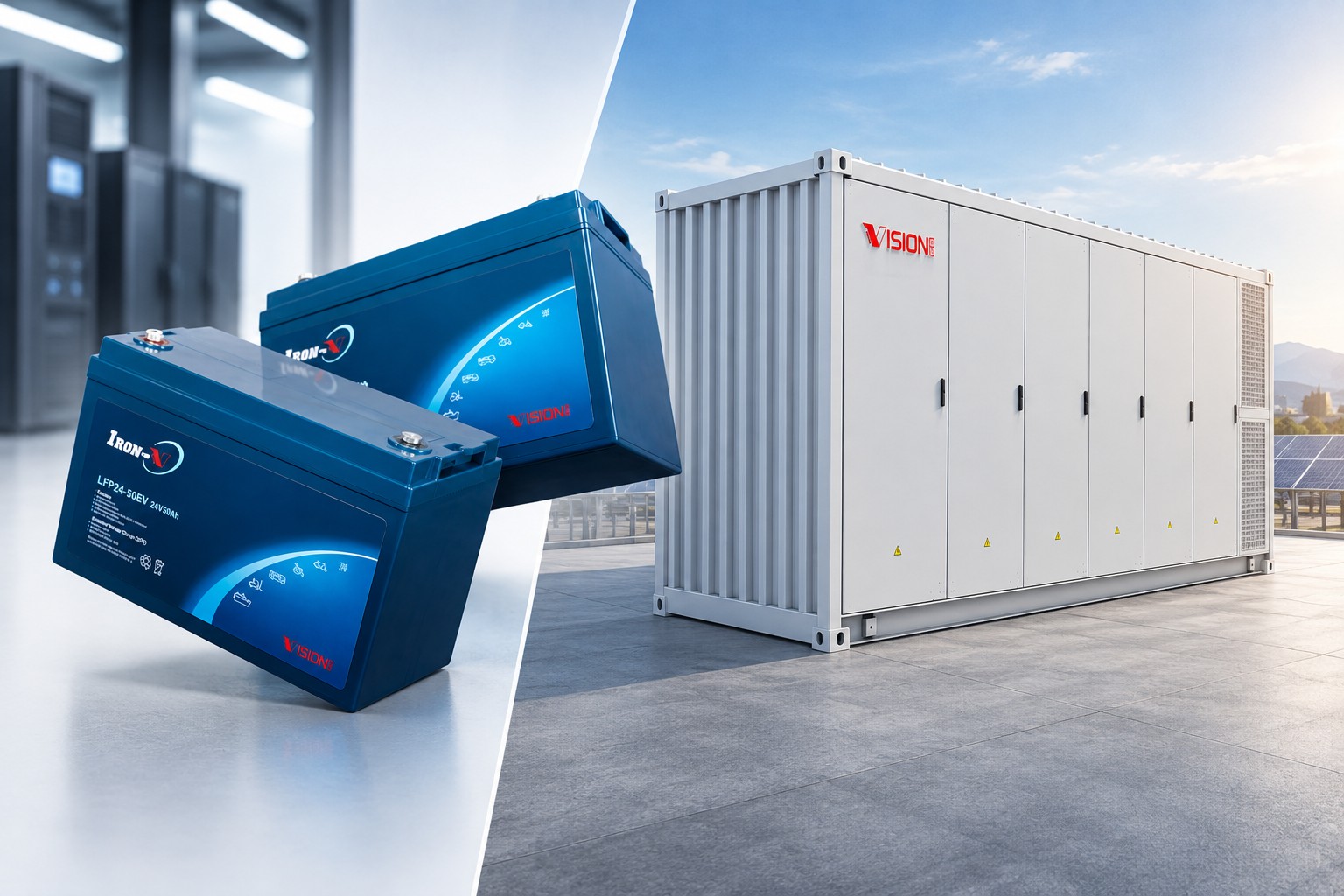
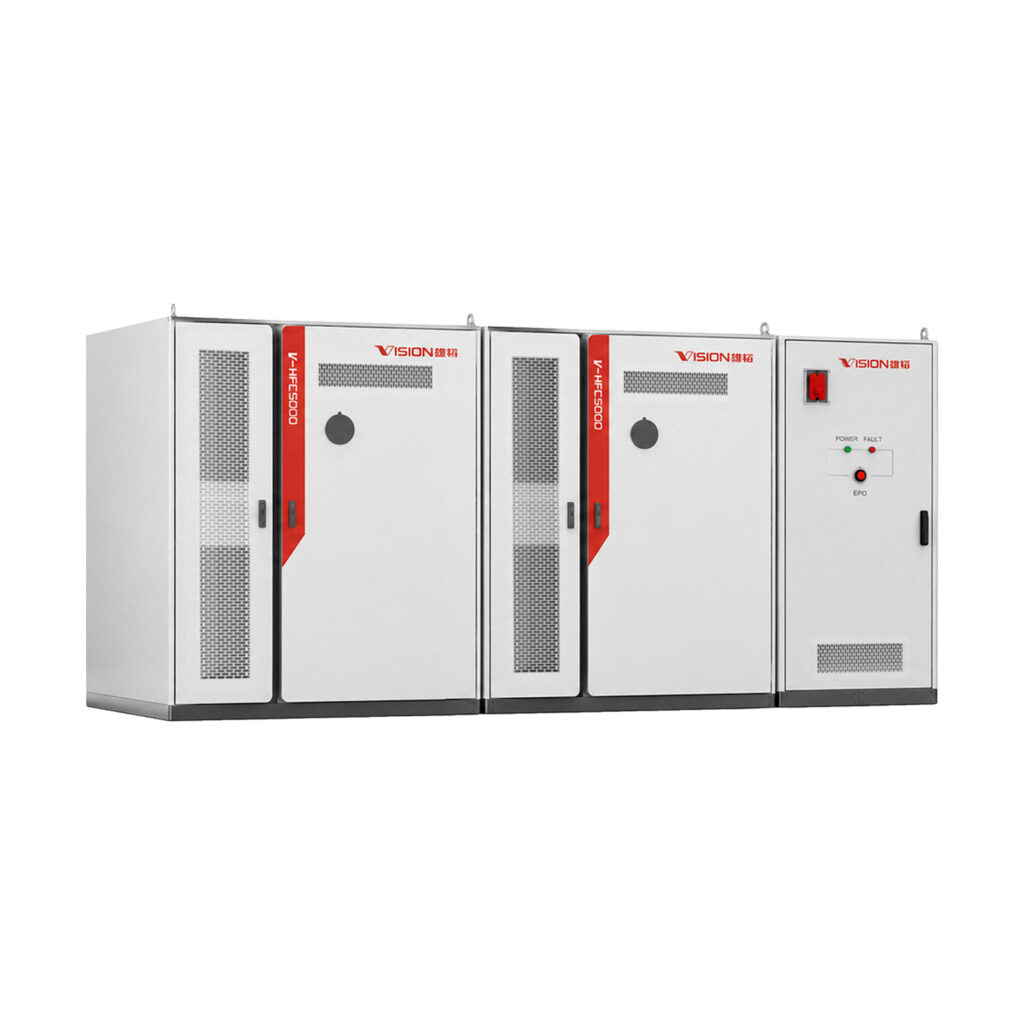
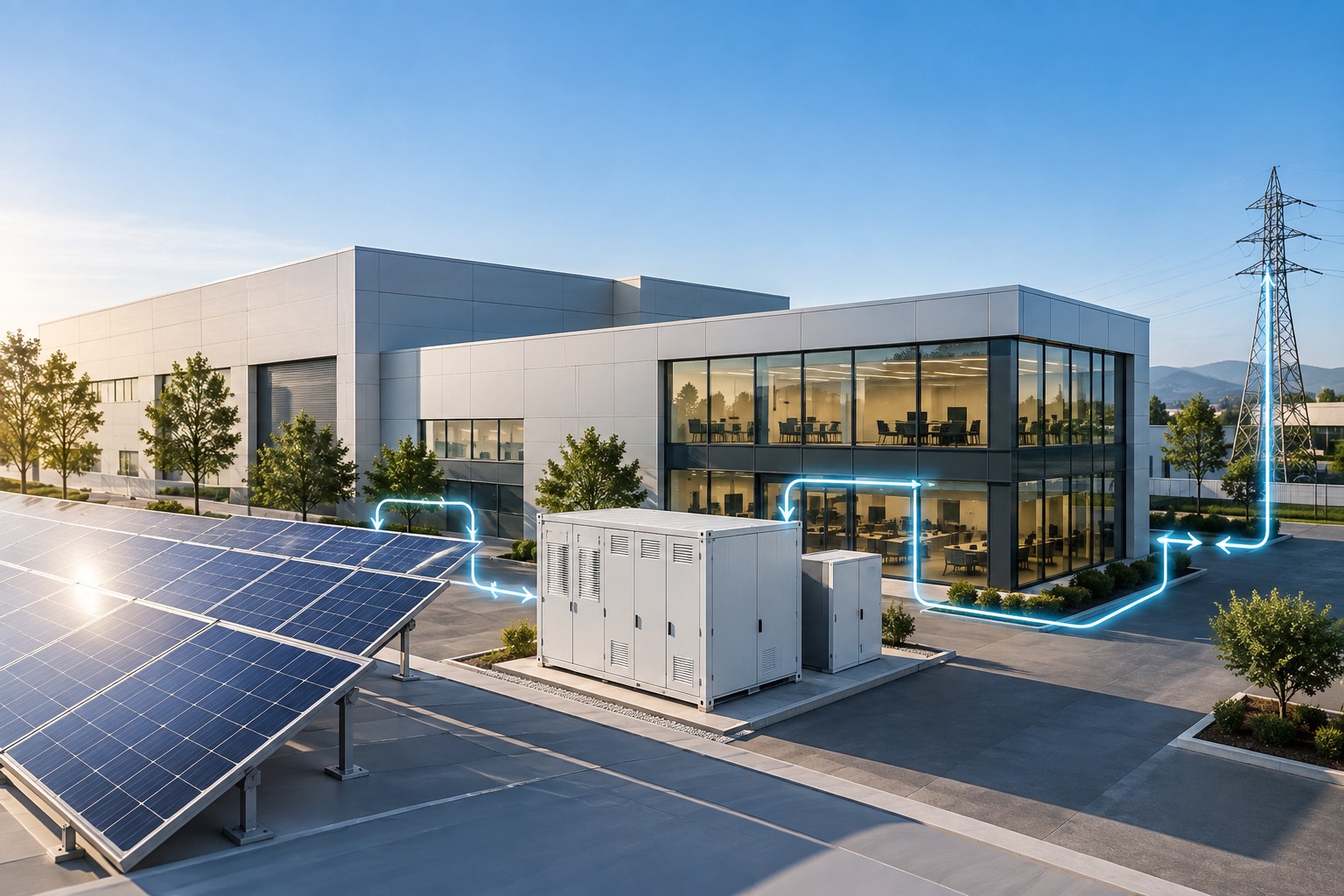
The growing adoption of energy storage systems often creates the impression that a BESS and a UPS are variations of the same technology. They do indeed share certain elements — batteries, power electronics, converters and control systems. The fundamental difference, however, lies in the function for which each system is designed.
Different design starting points
The primary function of a UPS is to maintain continuity of supply to the protected load. Its design begins with questions such as: which load is critical, what power quality does it require, what happens when the supply is lost or degraded, and for how long must operation be maintained? A BESS usually starts from a different requirement: it stores electrical energy so that it can be used at a different time and may support self-consumption, load shifting, peak management or other energy management functions.
Can a BESS provide backup power?
Yes, provided it has been appropriately designed. This does not, however, make every BESS an automatic substitute for a UPS. For loads requiring seamless transfer, defined voltage and frequency quality, and predictable behaviour during grid disturbances, these requirements must be addressed from the architectural design stage.
The boundaries are beginning to shift
The two technology areas are gradually converging. In suitable architectures, stored energy can be used for more than one function, provided that the backup and reliability requirements of the critical load are maintained. This increases the importance of overall system design and energy control, rather than simply selecting an individual piece of equipment.
For the customer, the practical conclusion is that the choice should begin with the function that needs to be secured. If the objective is uninterrupted power supply, the architecture must be designed around the critical load. If the objective is better utilisation of energy, an analysis of generation, consumption and economic operation is required. When both needs coexist, the value lies in combining them correctly within an integrated power architecture.
Case Studies & Insights

What Should Be Checked Before a Critical Power System Is Handed Over?
UPS and Energy Storage: Where They Converge – and Where They Do Not
Emergency Lighting: It Must Work at the Critical Moment
Energy Storage for Businesses: New Developments in the Greek Market
Press Releases
Partnership with ION
Partnership with ATHINAION Cinemas
Award at the 2nd ICAP CRIF ESG Summit