Energy Storage for Businesses: New Developments in the Greek Market
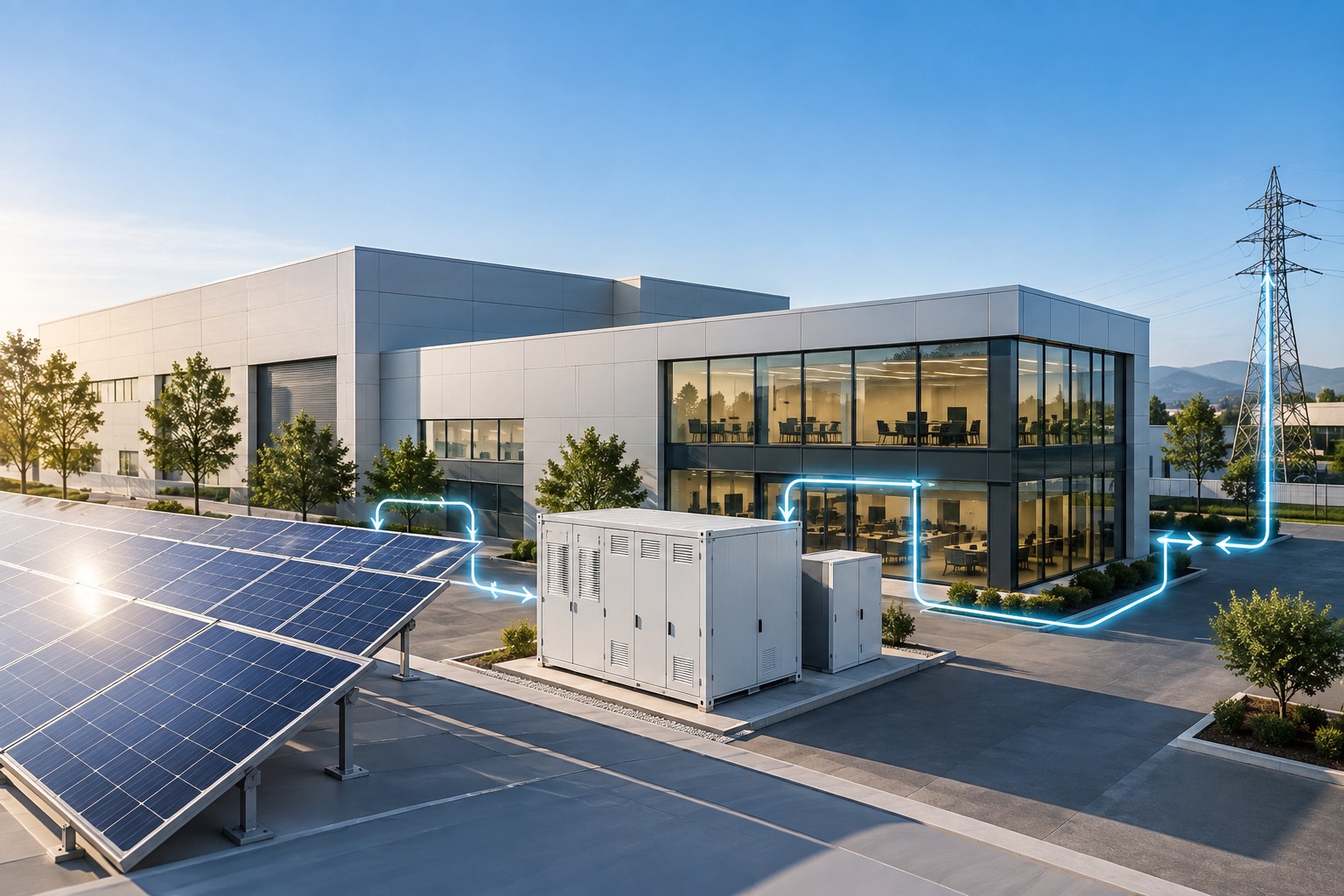
Energy storage is taking on a more defined role in Greece’s energy planning. Two announcements in early September create new conditions for investment in batteries and self-consumption applications.
977 million euros for renewables with storage on the islands
On 2 September 2026, the European Commission and the European Investment Bank approved the investment programme of the Islands Decarbonisation Fund, with a total budget of 2.3 billion euros.
Of this amount, 977 million euros is allocated to renewable energy projects with storage, with particular emphasis on photovoltaic self-consumption systems. The announcement by the Greek Ministry of Environment and Energy expressly refers, among others, to hotels, restaurants, retail stores and offices, together with residential, public and other uses.
This therefore constitutes a clear indication that storage is now also being linked to self-consumption applications in the private and professional sectors on the islands. The individual calls and implementation terms have not yet been specified.
New 200 million euro battery programme
On 7 September 2026, the Government also announced a new battery subsidy programme worth 200 million euros from national resources for 2027 and 2028.
According to the official announcement, funding will cover a combination of actions including batteries together with renewable energy projects, batteries for self-consumption and standalone energy storage systems.
The announcement does not yet specify eligible beneficiaries, subsidy rates or the detailed terms of the call. It therefore represents a clear funding direction for storage, but does not yet provide a basis for assuming that a specific business will be eligible.
What this means for a business
The two announcements strengthen the prospects for energy storage and self-consumption applications in Greece. The economic value of a BESS, however, still depends on the actual energy profile of each facility: when energy is generated and consumed, the cost of supply, how much energy can be used on site and the operational objective of the investment.
The correct approach therefore does not begin with “how many kWh of battery capacity do I need?”, but with an analysis of generation, consumption and the result the business aims to achieve.
Case Studies & Insights
What Should Be Checked Before a Critical Power System Is Handed Over?
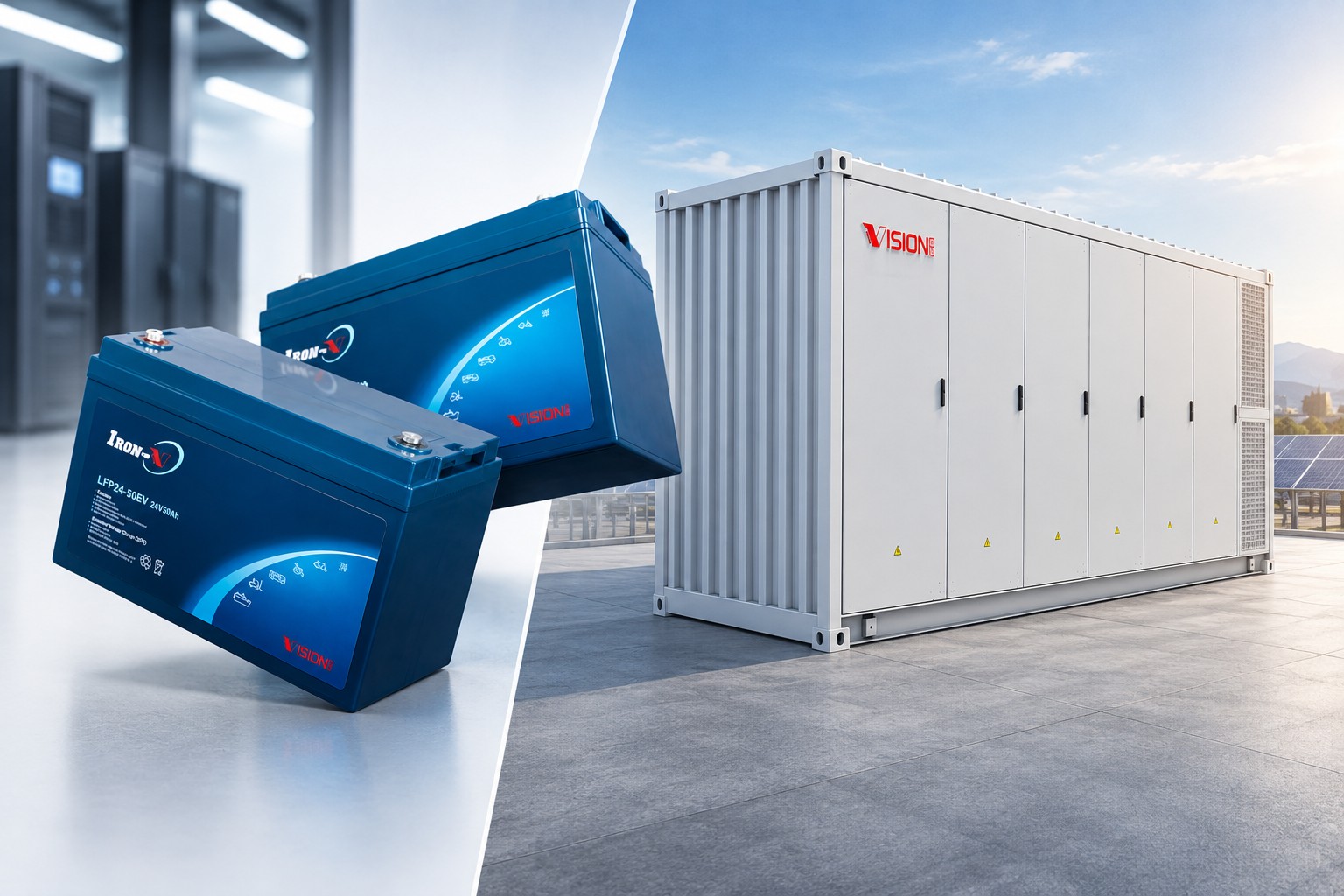
UPS and Energy Storage: Where They Converge – and Where They Do Not
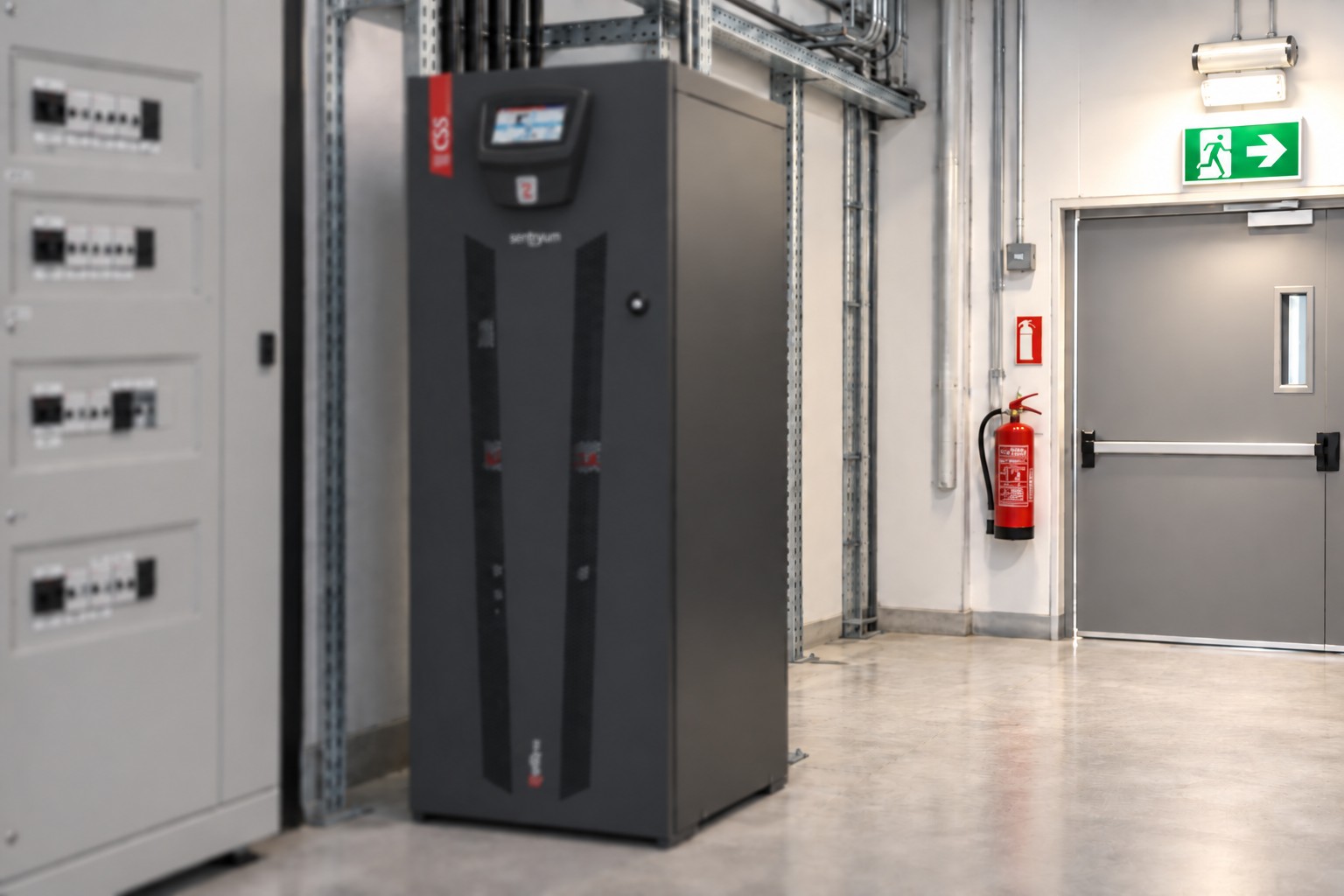
Emergency Lighting: It Must Work at the Critical Moment
Energy Storage for Businesses: New Developments in the Greek Market
Press Releases
Partnership with ION
Partnership with ATHINAION Cinemas
Award at the 2nd ICAP CRIF ESG Summit