
Case Studies & Insights
Showing
7 out of
7
What Should Be Checked Before a Critical Power System Is Handed Over?

Completing the installation of a UPS is not the same as completing the project. Before the system enters normal operation, it must be confirmed that it has been installed correctly, that its operating parameters correspond to the design and that its basic protection functions have been tested. This is the essence of commissioning: putting the system into operation and verifying its behaviour against the project requirements.
UPS and Energy Storage: Where They Converge – and Where They Do Not
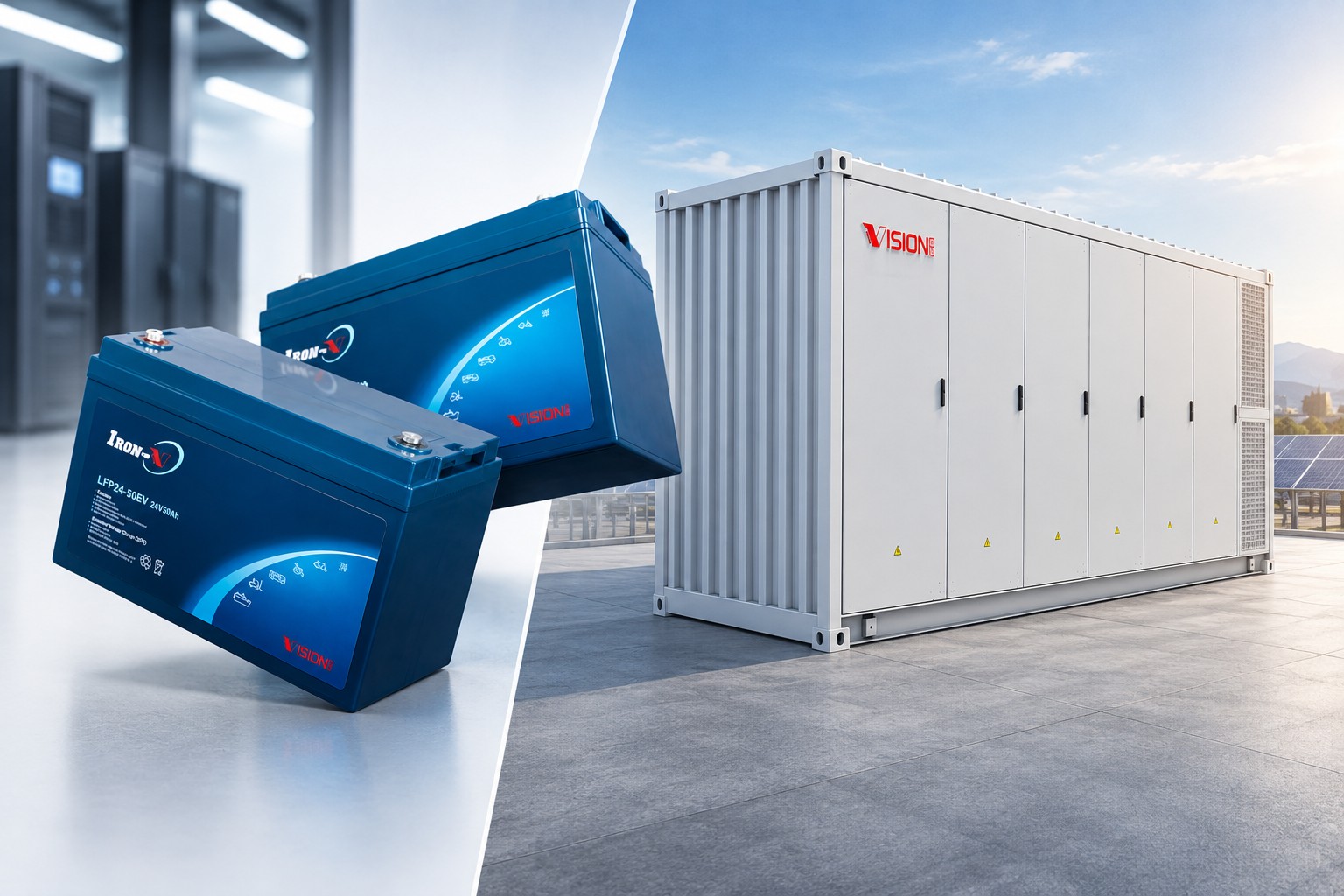
The growing adoption of energy storage systems often creates the impression that a BESS and a UPS are variations of the same technology. They do indeed share certain elements — batteries, power electronics, converters and control systems. The fundamental difference, however, lies in the function for which each system is designed.
Emergency Lighting: It Must Work at the Critical Moment
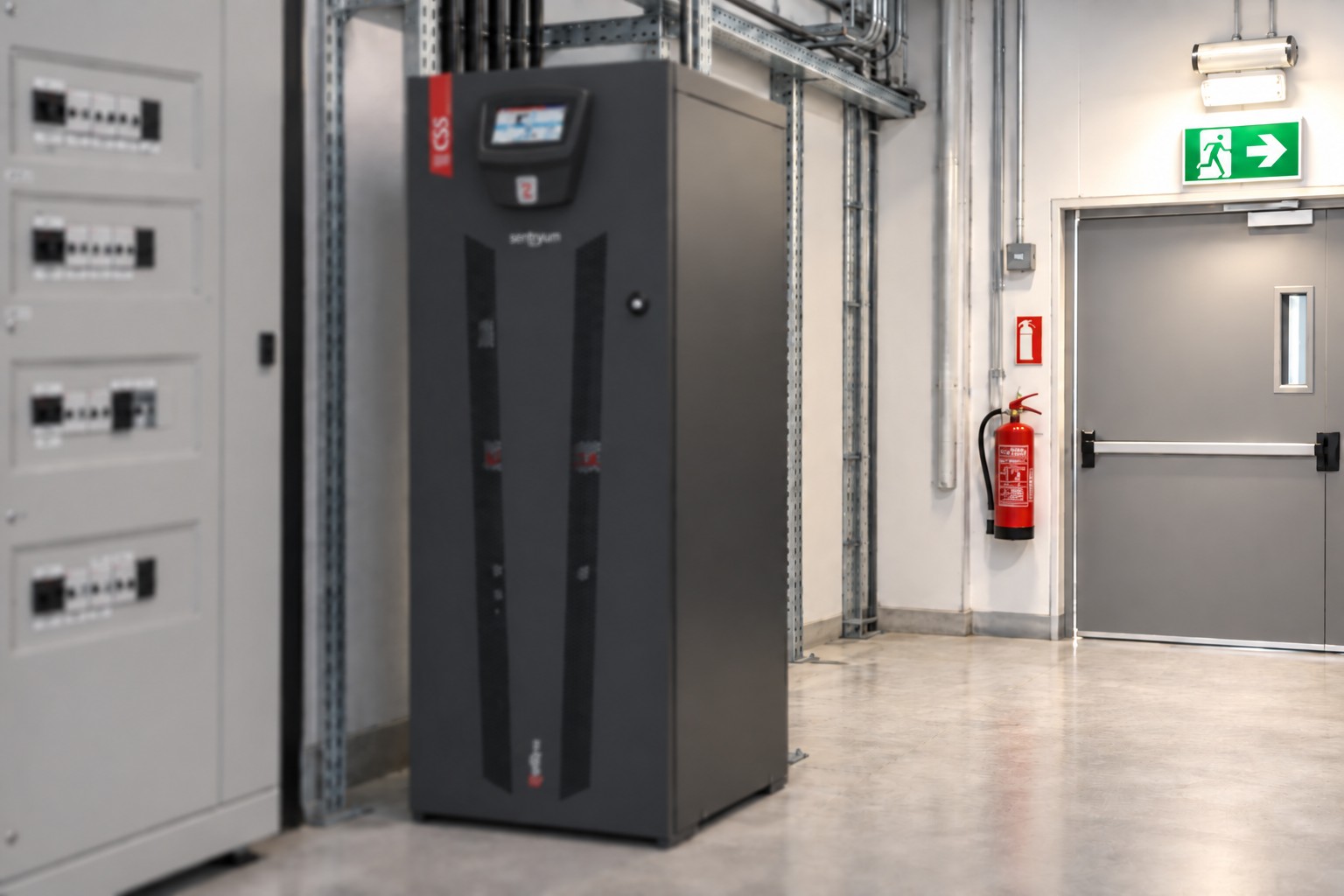
Emergency lighting is part of the infrastructure that is activated when the normal power supply is unavailable. Its purpose is not to replace normal lighting, but to support safe evacuation, the identification of exits and signs and, depending on the application, the safe completion of critical activities.
Energy Storage for Businesses: New Developments in the Greek Market

Energy storage is taking on a more defined role in Greece’s energy planning. Two announcements in early September create new conditions for investment in batteries and self-consumption applications.
Power Quality: When the Problem Is Not a Power Outage
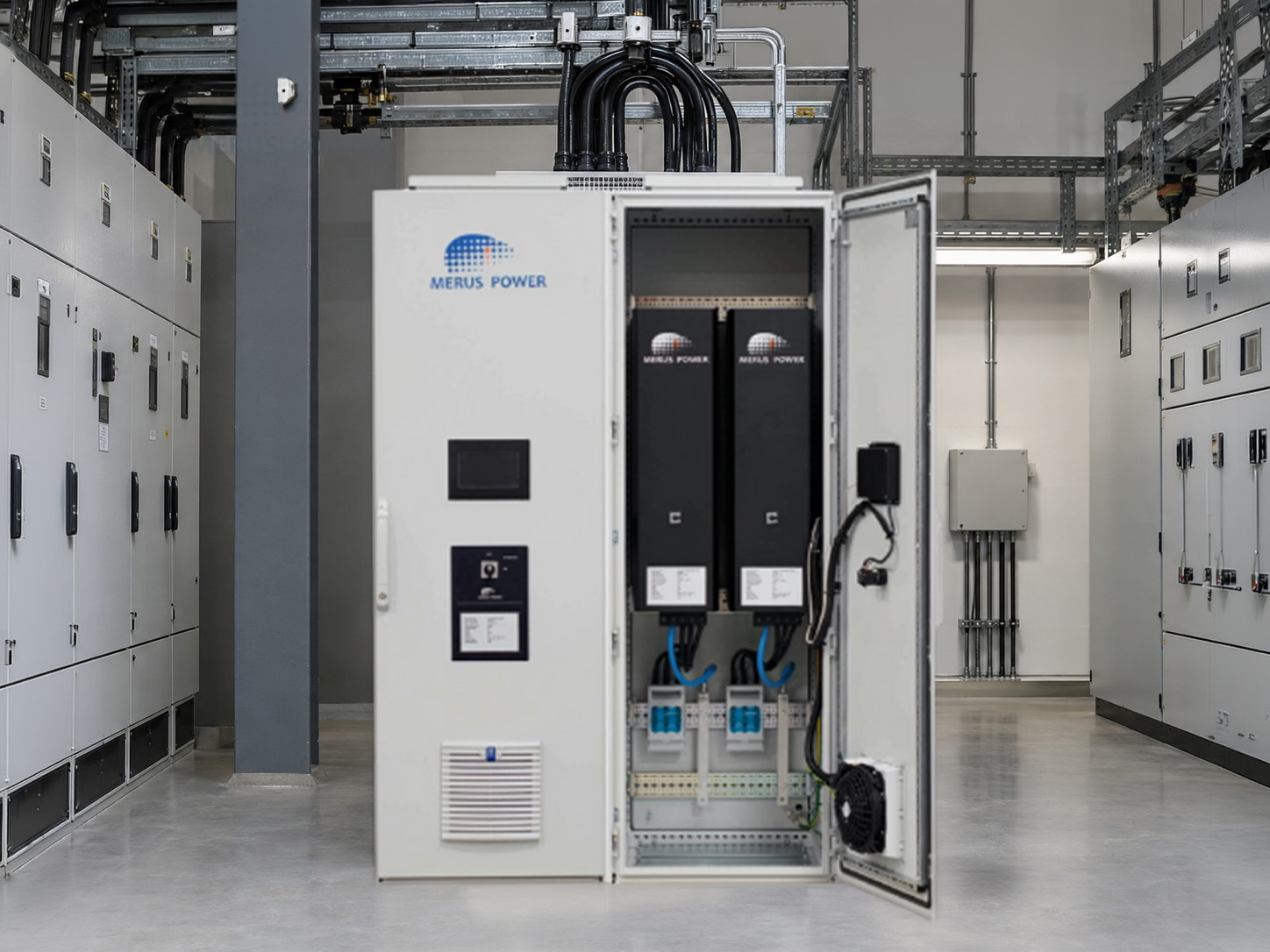
Continuity of electrical supply is only one aspect of a facility’s reliability. Equally important is the quality of the electrical power reaching the equipment. A business may experience no complete outages and still face unexplained trips, overheating, automation malfunctions or problems with electronic equipment.
UPS: When Does It Need Reassessment, Upgrade or Replacement?

The age of a UPS is useful information, but it is not, by itself, a criterion for replacement. A system may have been in operation for several years and still meet the requirements of the load. Conversely, a newer system may require reassessment if the installation has changed significantly.
EN 50171-Certified Emergency Lighting Infrastructure at Motor Oil

ACE Power Electronics upgraded the power supply infrastructure supporting Motor Oil’s emergency lighting systems, delivering an EN 50171-certified solution for nine independent emergency lighting circuits across different buildings and operational areas of the refinery.